
Looking for real information about BPC-157 side effects? You’re not alone. As this peptide gains popularity for research into tissue healing and recovery, understanding its safety profile becomes critical. Here’s the truth: BPC-157 side effects remain largely unknown in humans because comprehensive clinical trials simply don’t exist yet. That’s the uncomfortable reality. While animal studies …
More
BPC-157 Side Effects: Research-Backed Guide

GHK‑Cu Copper Peptide: Stunning Benefits for Effortless Skin & Hair
Unlock the remarkable potential of GHK‑Cu, a natural copper peptide known for supporting vibrant skin and healthy hair with minimal effort. Discover how GHK‑Cu’s unique biological properties make it a top choice for researchers and skincare enthusiasts alike.
More-
Is BPC-157 Legal to Possess? Current Status
If you’re researching BPC-157 legal status, you’re probably asking yourself one key question: can I legally possess this peptide? The answer isn’t as straightforward as you might hope. BPC-157 exists in a complex regulatory gray area that’s changed significantly over the past few years. Let’s break down exactly where things stand in 2025. The confusion …
More -
GLP1-S vs GLP2-T: What’s the Difference?
If you’re exploring metabolic research peptides, you’ve probably heard about GLP1-S and GLP2-T. These two compounds represent different approaches to weight management research, and understanding their differences matters. GLP1-S acts as a single receptor agonist, while GLP2-T works as a dual agonist, targeting two different pathways. This fundamental difference leads to varying results in research …
More -
What is GLP2-T vs GLP1-S?
If you’re exploring peptide therapies for metabolic health, you’ve probably wondered about the difference between GLP2-T and GLP1-S. These research peptides represent two different approaches to metabolic regulation. GLP2-T is a dual GIP/GLP-1 receptor agonist, while GLP1-S targets only the GLP-1 receptor. Understanding these differences can help you make informed decisions about peptide research. The …
More -
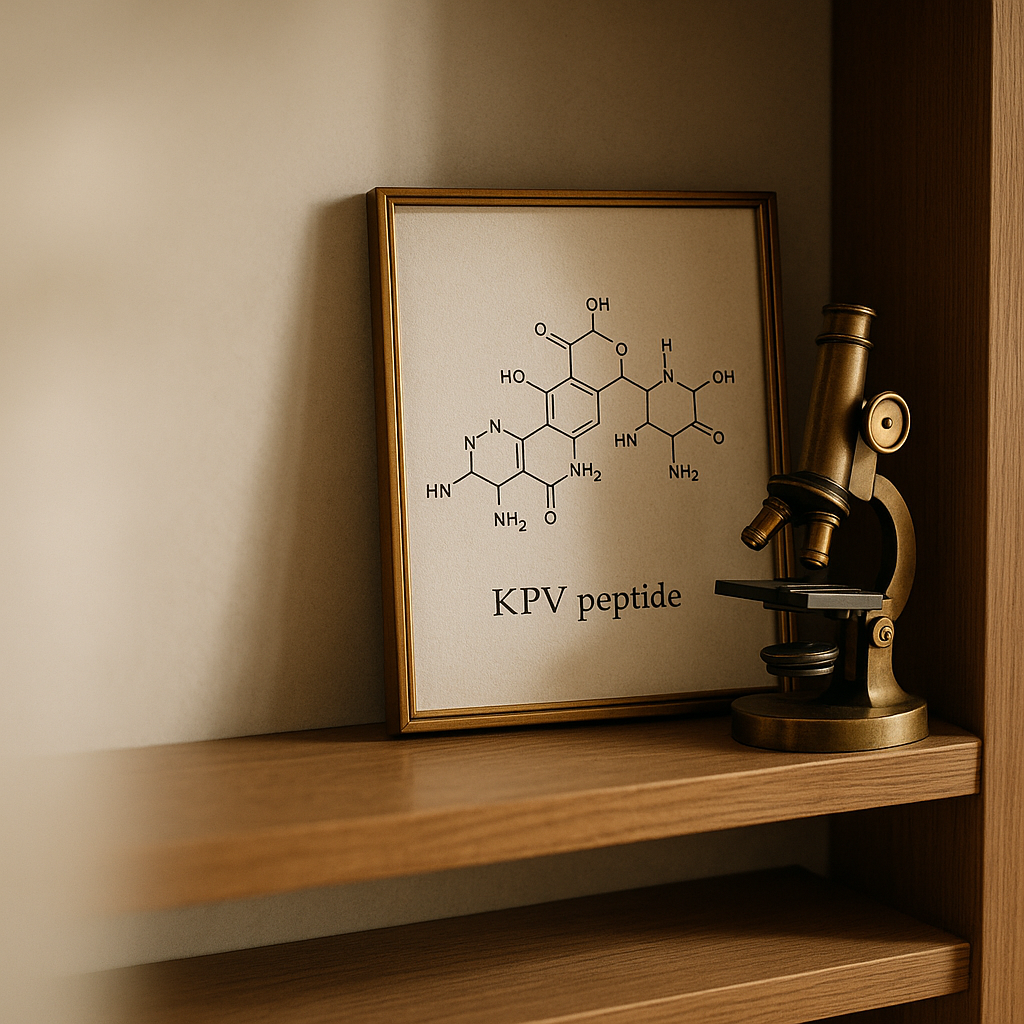
KPV Peptide: Powerful Anti‑Inflammatory Peptide for Best Results
KPV peptide is emerging as an innovative anti‑inflammatory peptide, earning attention for its ability to support gut and skin health without the drawbacks of traditional treatments. Discover how KPV peptide could transform the way researchers approach inflammation and healing.
More -
How Does GLP1-S Work for Weight Loss?
Wondering is BPC-157 safe before trying this healing peptide? You’re absolutely right to question safety before using any research compound. BPC-157 has gained massive popularity for injury recovery and tissue repair, yet it remains an experimental peptide without FDA approval for human use. In this research-backed analysis, we’ll examine BPC-157’s safety profile comprehensively. we’ll explore …
More -
Is BPC-157 Safe? Research-Backed Answer
Research Disclaimer: This content is for educational and research purposes only. The peptides discussed are intended strictly for laboratory research and are not approved for human consumption. When researching BPC-157, safety stands as a primary concern. This synthetic peptide derived from a protective gastric protein has gained attention in regenerative research, but questions about its …
More -
What are GLP2-T Side Effects?
Understanding the side effect profile of GLP2-T (GLP2-T) is essential for researchers evaluating this dual-agonist peptide. As a glucose-dependent insulinotropic polypeptide (GIP) and glucagon-like peptide-1 (GLP-1) receptor agonist, GLP2-T activates multiple metabolic pathways that can produce various physiological responses. Clinical research provides comprehensive data on both common and rare adverse effects observed during GLP2-T administration. …
More